
The 4 Treasures of the Beehive: Honey, Propolis, Bee Pollen & Royal Jelly
The 4 Treasures of the Beehive: Honey, Propolis, Bee Pollen & Royal Jelly
Inside every beehive lies an extraordinary world of cooperation, organization and natural treasures.
For thousands of years, humans have admired bees and valued the remarkable substances they produce and collect. From golden honey to royal jelly, each product of the beehive has its own fascinating story and unique characteristics.
Let's discover four of the most interesting treasures of the hive.
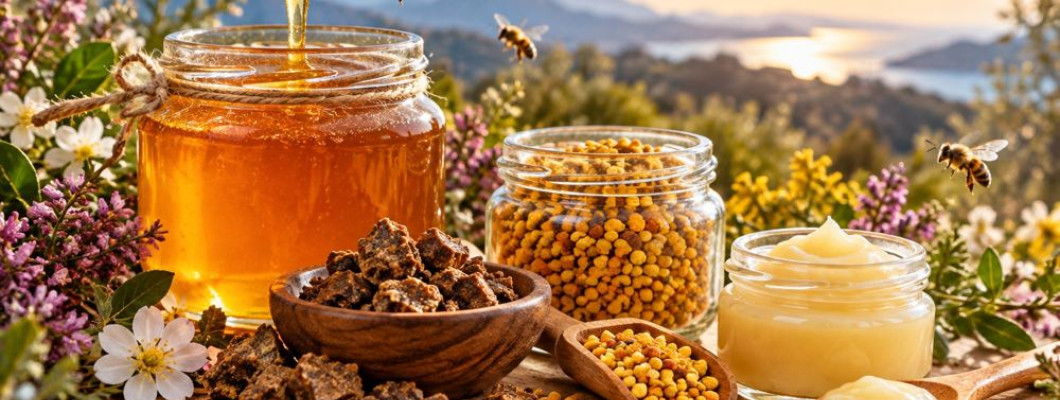
1. Honey — Nature's Golden Creation
Honey is perhaps the best-known product of the beehive and has been part of human diets since ancient times.
Bees collect nectar from flowers or other natural sweet secretions and transform it into honey through a remarkable natural process.
Its flavor, color and aroma vary depending on its botanical and geographical origin.
Fir honey, heather honey and blossom honey are wonderful examples of this natural diversity.
Known for its distinctive sweetness, honey is primarily a source of carbohydrates and can be enjoyed in a variety of sweet and savory recipes.
2. Propolis — A Remarkable Material of the Hive
Propolis is a natural resinous substance that bees create using plant resins and other materials.
Bees use it to seal small openings and maintain the structure of their hive.
Its color can range from brown and greenish shades to very dark tones, depending on the plants from which the resins originate.
Its complex composition has attracted scientific interest, while propolis also has a long history of traditional use.
3. Bee Pollen — A Collection from Flowers
As bees travel from flower to flower, they collect pollen grains and carry them back to their hive.
Pollen is an important food source for the bee colony.
One of its most fascinating characteristics is its variety of colors, ranging from yellow and orange to brown and darker shades.
Its composition varies according to its botanical origin and may include proteins, carbohydrates and other naturally occurring substances.
4. Royal Jelly — A Special Food of the Beehive
Royal jelly is a substance produced by specialized glands in young worker bees.
It is fed to developing larvae during their early stages, while the queen bee receives royal jelly throughout her life.
It has a characteristic creamy appearance, a distinctive taste and a complex natural composition.
Producing royal jelly requires specialized beekeeping practices, making it a particularly interesting product of the hive.
Why Are Bees So Important to Nature?
The importance of bees extends far beyond the products they provide.
As they visit flowers, bees contribute to the pollination of many plants, supporting plant reproduction and biodiversity.
Protecting bees and their natural habitats is therefore essential for healthy ecosystems and agricultural production.
Greek Nectar — Inspired by the World of Bees
At Greek Nectar, our appreciation for nature and bee products is an essential part of our philosophy.
By carefully selecting ingredients, we create distinctive combinations that celebrate the flavors and aromas of the beehive.
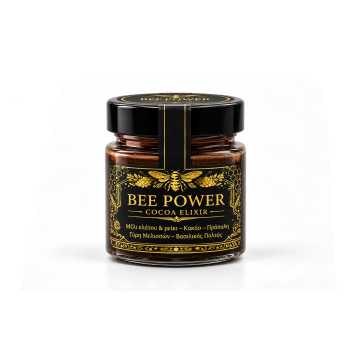
One example is Bee Power Cocoa Elixir, which combines fir and heather honey, propolis, bee pollen, royal jelly and cocoa.
A nature-inspired combination with a rich flavor and a distinctive creamy texture.
One Small Beehive, an Extraordinary World
Honey, propolis, bee pollen and royal jelly remind us how remarkable nature can be.
Each product has its own origin, characteristics and unique role in the fascinating world of bees.
Greek Nectar — Inspired by nature, with respect for the treasures of the beehive.
Note: Honey should not be given to infants under 12 months of age. Bee products may cause allergic reactions in sensitive individuals.